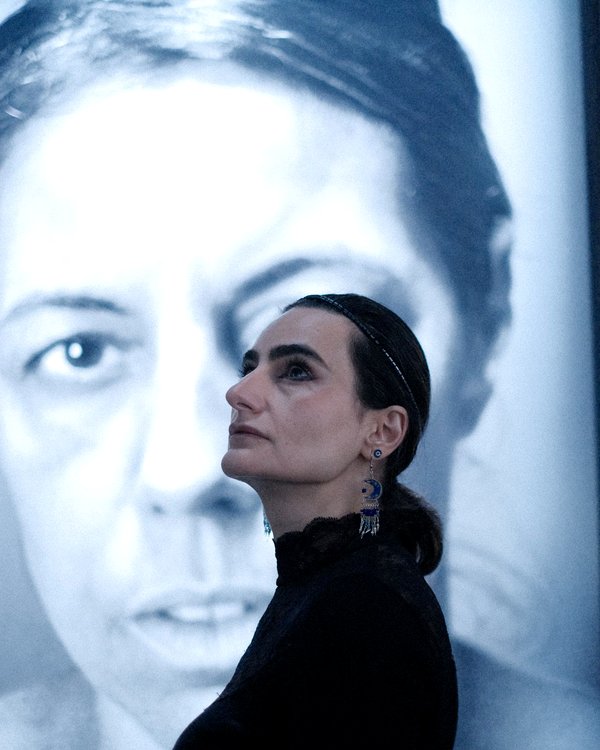
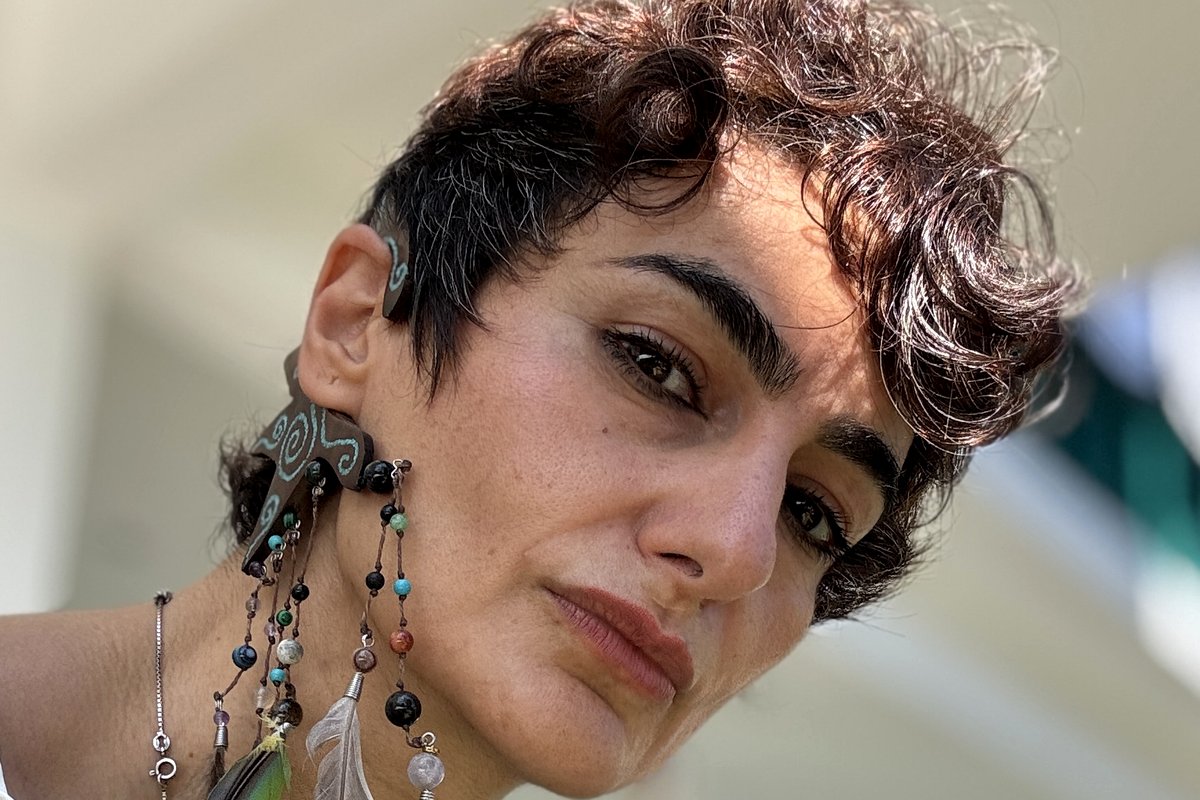
PhD-grade decision science meets design thinking execution. Twenty years inside high-stakes decision environments — built into a method for high-performers who know they're still under-operating, even when no one sees it.
The method didn't come from a coaching certificate. It came from twenty years of watching the same pattern repeat — in myself first, then in everyone around me.
I've made three career pivots inside high-stakes environments. I've watched senior leaders run companies while quietly stuck in decision loops they could articulate but couldn't move on. I've lectured graduate students who were brilliant on paper and frozen in practice. I've coached founders generating real revenue who couldn't bring themselves to publish the offer page they'd edited thirty times.
Same pattern, every level. Capability already built. Operating below it. Not for lack of intelligence, strategy, or knowledge — but for lack of an operating system that actually held under pressure when motivation dropped or stakes rose.
So I built one. Then I tested it on myself. Then on a small group of clients. Then a larger one. The method that came out of that — decision science, innovation methods, mental fitness, combined as one operating system — is what I install with clients now. It's not coaching in the traditional sense. It's not therapy. It's not a course. It's the working architecture that closes the gap between actual capability and how you're showing up in it.
Three pivots inside three different operating environments. The pattern repeated everywhere.
Teaching started before my PhD and continued through it — supervising undergraduate and master's students and projects, lecturing in industry. Talks, workshops, and seminars at SEB, Conscia, the Limitless community, Soho House, and other industry venues. The pattern I kept seeing: brilliant minds, perfect frameworks, frozen execution. Knowledge is not the limit.
Then I went into the trenches. Spotify, Volvo, Trustly, Northvolt — environments where decisions get made under pressure, with incomplete information, against real deadlines. Where the gap between knowing and doing is paid in launches missed, talent burned, and quarters lost. Same pattern. Same root cause.
Then I built two of my own businesses (and helped start two non-profits before that). Different pattern this time: mine. Operating with half the felt authority I'd actually earned. The same loops I'd watched my clients run, running inside me. That's the part that made me build this method properly — not just for them, but for me.
I'm telling you this because the method only works if it worked on me first. It did. It does. The work I do with clients is the work I had to do on myself — sharpened by twenty years inside environments where decisions actually mattered.
Same goes for my coaching.
I've broken boxes. Chosen the less-traveled paths. Said no when it would have been easier to comply. Waited when others rushed. The method comes from twenty years of decision science. The texture of how I deliver it comes from a life I've built deliberately wide.
Clients tell me the same thing on first meeting: "You felt different right away." They came through Instagram, through fashion, through how I show up — and stayed through the rigor.
That's not an accident. The same eye that picks the earring picks the framework. The same standards that govern how I move through a room govern how I work through a decision. The aesthetic and the rigor share a source.
Both halves matter. They're not two brands. They're one life.
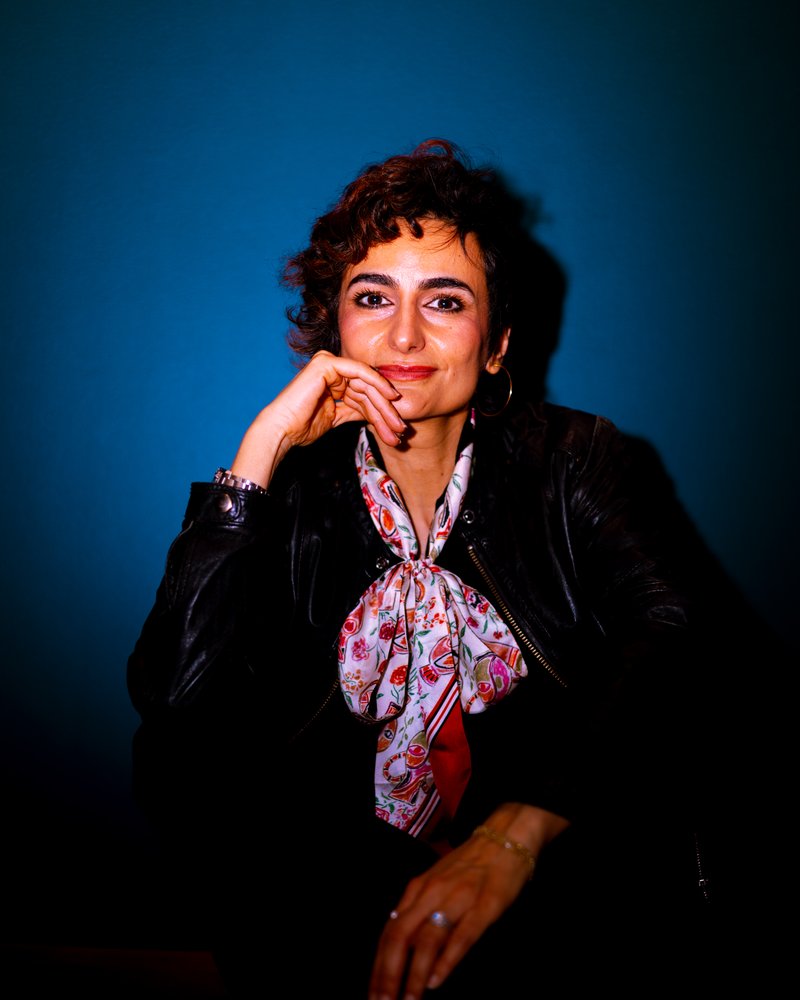
The method isn't a packaged framework I licensed. It's the synthesis of decision science from the academy, design thinking from product environments, and mental fitness from the mind-body work I've done both personally and with clients.
PhD-grade rigor. Tech-trenches execution. Mind-body integration that holds when motivation drops. That's what gets installed.
Two distinct things you should know before considering this work.
Three disciplines, integrated into one operating system. Not borrowed surface-level. Trained in, tested under pressure, refined across hundreds of client cases.
The study of how high-performers actually decide under uncertainty, time pressure, and incomplete information. PhD-grounded. Not pop-psych decision tips.
The discipline of designing reversible experiments instead of waiting for certainty. The same frameworks used to build products for millions, applied to decisions that shape your career.
The body-mind work that holds when willpower drops. Mind-body practitioner training, meditation teaching, the practical neuroscience of pattern interruption. Without this, the rest doesn't compound.
High-performers carrying real stakes. The work is built for people who've already proven their capability — and who feel, in private, that they're still operating below it.
A note on who shows up: my work draws primarily women in C-suite, founder, and senior leadership roles — though the method works for any high-performer running these patterns. The case studies on this site reflect that, while the method itself is neutral.
Said cleanly so the wrong-fit people self-select out.
I don't do the warm-hug version. I don't sell mindset shifts as outcomes. I don't validate decisions you've already made. I don't sit with feelings as a substitute for action.
What I do is name the pattern that's running you, design the experiment that interrupts it, and hold the structure that makes the change stick. It's clinical. It's warm. Both at once. The warmth is real, the rigor is non-negotiable, and the work is built for people who can handle a direct read of what they're doing — and want one.
If you've recognized yourself in any of this and you're carrying a specific situation you can't move on, the next step is a fit call. Five focused questions in Calendly, then we go deep. If it's not a fit, I'll tell you and point you to a better next step.